
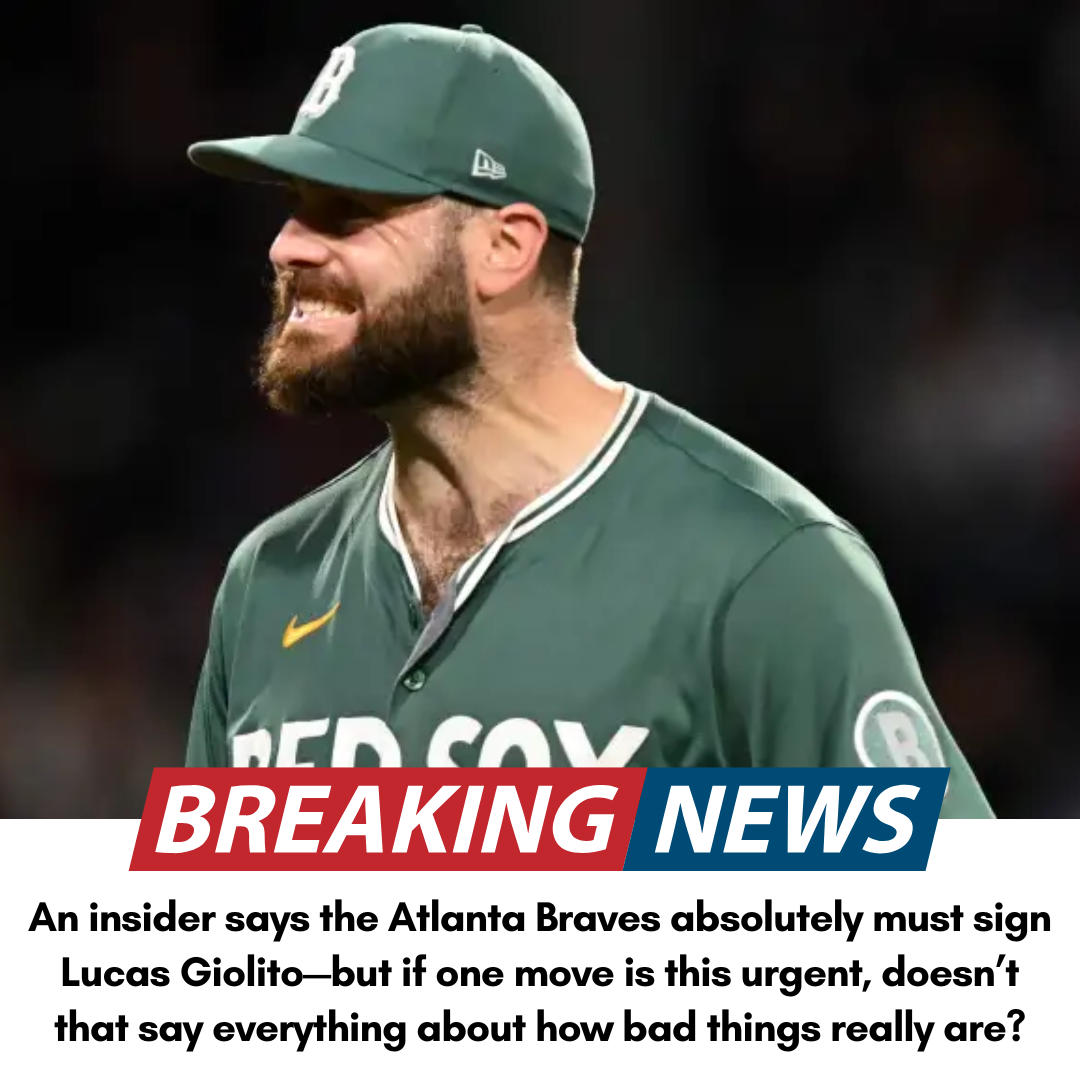

The Atlanta Braves are running out of time—and more importantly, running out of pitching. Following the latest injury setback to Spencer Strider, the urgency surrounding Atlanta's rotation has reached a boiling point, prompting one prominent MLB insider to deliver a clear message: act now.
Strider, widely regarded as the ace of the Braves' staff, is set to begin the 2026 season on the injured list due to an oblique strain. While oblique injuries can vary in severity, they are notoriously tricky for pitchers, often requiring careful management to avoid setbacks. His absence alone would be significant—but in Atlanta's case, it's part of a much larger and more concerning trend.
The Braves are already dealing with multiple injuries across their pitching staff, including Spencer Schwellenbach, Hurston Waldrep, and Joey Wentz. With so many arms unavailable, the team is entering a critical stretch of the season with a severely depleted rotation. For a franchise that missed the playoffs in 2025 for the first time in nearly a decade, this is far from an ideal start.
That's where Jon Heyman steps in with a strong recommendation. The veteran insider from the New York Post didn't mince words when discussing Atlanta's situation, pointing directly to one solution still available on the market: Lucas Giolito.
Heyman's stance is simple—sign Giolito, and do it immediately.
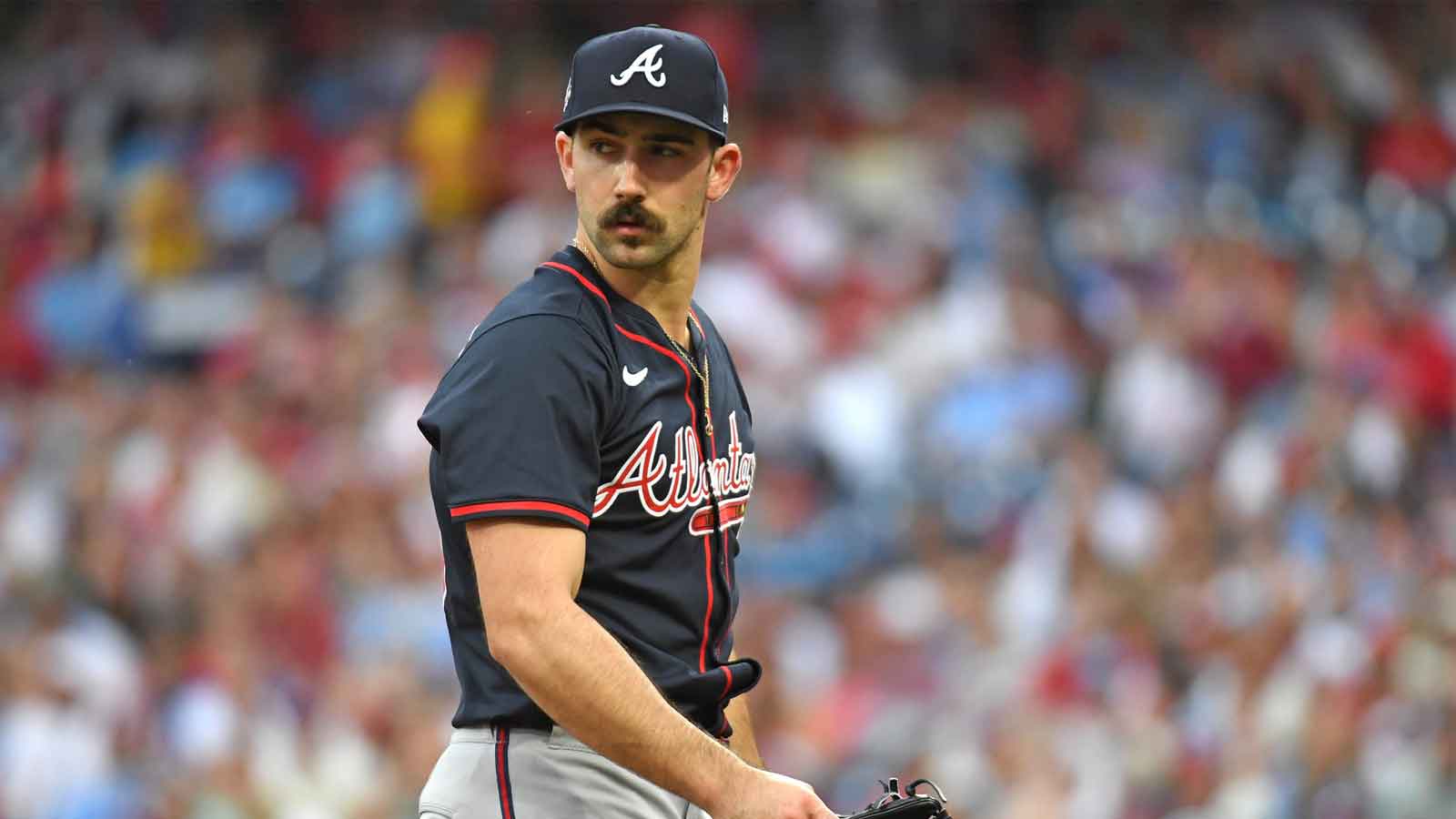
From a purely baseball perspective, the argument makes a lot of sense. Giolito, most recently with the Boston Red Sox, is coming off a solid 2025 campaign in which he posted a 10–4 record with a 3.41 ERA. While not necessarily an ace, he offers something the Braves desperately need right now: stability.
Durability has long been one of Giolito's strengths. Even in seasons where his performance has fluctuated, he has consistently taken the ball and logged meaningful innings. For a team currently scrambling to piece together a functional rotation, that reliability is incredibly valuable. He may not dominate every outing, but he can keep a team competitive—and sometimes, that's all you need to weather an early-season storm.
Beyond the numbers, there's also the matter of timing. Opening Day is right around the corner, with the Braves set to begin their season against the Kansas City Royals. That leaves very little room for internal adjustments or long-term development solutions. The team needs immediate help, and free agency is the fastest path to securing it.
Unlike trades, which often require complex negotiations and significant prospect capital, signing a free agent like Giolito is relatively straightforward. There's no need to give up assets, no waiting for another team's approval—just a contract and a decision. In a situation as urgent as Atlanta's, that simplicity matters.
Of course, the Braves' front office, led by Alex Anthopoulos, is no stranger to bold moves. Anthopoulos has built a reputation as one of the most decisive executives in the league, often striking when opportunities present themselves. Whether it's blockbuster trades or under-the-radar signings, he has consistently demonstrated a willingness to act when the roster demands it.

This situation feels like a perfect test of that philosophy.
Financially, there appears to be little standing in the way. As Heyman pointed out, the Braves operate under a profitable ownership structure, meaning resources should not be a limiting factor—especially for a short-term solution. Given the stakes, failing to act could raise questions not just about strategy, but about commitment to competing at a high level.
From the fanbase's perspective, the call for action has been building for weeks. Even before Strider's injury, there were concerns about the depth of the rotation. Now, those concerns have turned into outright alarm. Supporters understand that championship-caliber teams cannot afford to neglect pitching, particularly in a league where depth often determines success over a 162-game season.
Giolito may not be the perfect solution, but he is a practical one. And in moments like this, practicality often outweighs perfection.
There are, of course, risks. Giolito has had his share of inconsistency, and expecting him to completely solve Atlanta's pitching issues would be unrealistic. However, the goal isn't to fix everything overnight—it's to stabilize the situation, buy time, and prevent the season from slipping away before it truly begins.
Looking at the broader picture, this is about more than just one signing. It's about setting the tone for the season. The Braves have already experienced the disappointment of missing the postseason in 2025. Another slow start, driven by inaction, could put them in a similar position once again.
By signing Giolito, the Braves would send a clear message: they are not willing to let injuries define their season.
As Opening Day approaches, all eyes will be on Atlanta's front office. Will they heed the advice of insiders like Jon Heyman? Will they take the necessary steps to reinforce a struggling rotation? Or will they gamble on internal options and hope for the best?
The answer could shape not only the early weeks of the season but the entire trajectory of the Braves' 2026 campaign.
One thing is certain—standing still is no longer an option.